by Diane

From Fat Sam's Speakeasy to the Soul Charts: Vivienne McKone marks Fifty Years of Bugsy Malone with a Long-Awaited Single Release "Love Has To Be Easy".



Fifty years ago this July, a film unlike anything British cinema had produced before opened in London. Bugsy Malone, Alan Parker's gangster musical played entirely by children and teenagers, premiered on 23 July 1976, and it went on to become one of the most fondly remembered British films of its era. Among its young cast, dancing as Velma, one of the showgirls in Tallulah's troupe at Fat Sam's Grand Slam Speakeasy, was a young Vivienne McKone. Half a century on, McKone is back in the spotlight, this time as a soul vocalist, with the worldwide single release of "Love Has To Be Easy", a track that has spent the past few years quietly building a devoted following on London's soulful airwaves.


Bugsy Malone remains a genuine curiosity of 1970s film-making. Parker cast the film entirely with actors under seventeen, playing out a Prohibition-era gangster story with tommy guns that fire whipped cream instead of bullets. The cast included a young Jodie Foster as Tallulah, Fat Sam's chanteuse and gun moll, Scott Baio in the title role, and John Cassisi as the crime boss Fat Sam. The film was a genuine hit in the UK, went on to earn eight BAFTA nominations (winning three, including Best Supporting Actress and Most Promising Newcomer for Foster), and has been screened in British secondary schools for decades since. It remains a rite of passage for generations of children discovering musical theatre for the first time. Vivienne McKone, then a young dancer trained at the Royal Ballet School, was part of that ensemble of showgirls bringing the speakeasy to life on screen.


McKone's career did not end at Pinewood Studios. She went on to work in British television, including an appearance in the BBC's Casualty, and built a parallel career as a singer-songwriter. Her debut solo album, "Vivienne McKone", was produced by Stuart Levine, a name well known to soul fans for his work with The Crusaders, Randy Crawford and Simply Red. She has performed in concert around the world and supported Anita Baker, one of soul music's most respected voices, giving her a grounding in the genre that runs through everything she has recorded since.


More recently, McKone has been the vocalist behind The Requestors, a trio she shares with Toby Baker and Gabriel Garrick, son of the late English jazz pianist Michael Garrick. Their debut single, "Love Has To Be Easy", written by McKone herself, first appeared in October 2023, a warm, mid-tempo soul song built around the simple idea that love, when it is right, should not be complicated. "When there's love around, things are easy, that's how that lyric was born," McKone explains, "and I feel that resonated with a lot of people in the audience. I was really taken aback!" She was speaking after a recent live performance of the song, where the reaction reminded her just how far it has already travelled.


That journey began modestly. "Love Has To Be Easy" was initially serviced only to DJs, picking up plays across London's soul and funk radio scene before Expansion Records included it as an exclusive track on the label's Luxury Soul 2024 compilation, a three-disc collection that each year gathers the best independent soul releases of the previous twelve months alongside bigger names in the genre. Sitting alongside artists such as Will Downing, Con Funk Shun and Narada Michael Walden, "Love Has To Be Easy" found its way to a wider and more discerning soul audience, and demand for the track has continued to grow ever since. Now, that demand has caught up with the song's ambitions: "Love Has To Be Easy" is finally getting its full worldwide single release.


The timing is not something anyone planned, but it is hard to ignore. The July release of "Love Has To Be Easy" lands in the same month as the fiftieth anniversary of Bugsy Malone's London premiere, tying together two very different chapters of the same career. It is a rare thing for an artist to have a foothold in two entirely separate cultural landmarks fifty years apart, first as a child performer in a film that has become a genuine piece of British cinema history, and now as a soul singer-songwriter whose own composition is reaching audiences well beyond the DJ booths and compilation shelves where it started.


For long-time followers of the UK soul scene, "Love Has To Be Easy" is likely already a familiar name, having spent the best part of two years working its way through the circuit the traditional way: word of mouth among DJs, a spot on a respected compilation, and a steadily building audience who kept asking where they could get hold of it properly. That patient, organic route to a single release says something about the song itself. It was never chasing a moment. It has simply been waiting for the right one, and the fiftieth anniversary of the film that first put Vivienne McKone in front of an audience feels like exactly that.


Whether you are coming to "Love Has To Be Easy" as a long-time Expansion Records listener who already knows it from Luxury Soul 2024, or discovering Vivienne McKone for the first time through this new worldwide release, there is a satisfying symmetry to the story: a Royal Ballet-trained showgirl from Fat Sam's speakeasy, fifty years on, telling us in her own words and her own voice that love, when it is real, should never be hard work.


"Love Has To Be Easy" by The Requestors featuring Vivienne McKone is out now worldwide. The track originally featured exclusively on Expansion Records' Luxury Soul 2024, available now, along with various mixes and edits, from expansionrecords.com.
BUY NOW


by Diane

Black British Soul: The Artists Who Built a Homegrown Scene


There is a persistent myth in the story of British music that soul was something the UK simply imported, absorbed and occasionally sold back to America with a cover version attached. It is a myth that does a disservice to a generation of Black British musicians who took that American influence and built something distinctly their own out of it, on their own terms, in their own accents.

From the Windrush Generation to the Dancefloor

The roots of this story go back to the arrival of Caribbean migrants in postwar Britain, whose musical traditions, from sound system culture to the rhythmic sensibilities of ska and reggae, took hold in cities such as London and Bristol. Their children, born and raised in Britain, grew up straddling two worlds. They inherited Caribbean bass culture from their parents while absorbing American funk, soul and disco from the radio and the record shop. By the mid to late 1970s, that collision had produced a genuinely new sound.

It did not happen by accident. A handful of key London and southeast England clubs, among them the 100 Club and Canvey Island's Goldmine, became the testing ground, championed by DJs including Chris Hill, Robbie Vincent and Steven "Froggy" Howlett. Young Black British musicians, many of Caribbean descent, began forming their own bands rather than simply covering American hits. Crucially, as guitarist Jean-Paul "Bluey" Maunick later reflected, this generation avoided putting on faux American accents. They sang and played as themselves, which is precisely what gave the music its own identity.

Britfunk Takes Shape

By the late 1970s this scene had a name: Britfunk. London's Light of the World, an eight-piece led by Gee Bello and Nat Augustin, helped set it in motion after being signed to Ensign Records in 1979, their horn section later spinning off into Beggar & Co. Hi-Tension delivered one of the genre's defining hits with "British Hustle" in 1978, reaching number eight in the charts. Central Line, named cheekily after the London Underground line, built a run of chart singles between 1981 and 1983 under producer Roy Carter, formerly of Heatwave, culminating in an electro-funk reworking of the jazz standard "Nature Boy". Freeez, fronted by John Rocca, scored the genre's biggest hit with "Southern Freeez" in 1981, also reaching number eight.

What united these acts was not just a sound but a shared understanding that Black British musicians could compete with, rather than merely imitate, their American counterparts. Author Robert Strachan has written about Britfunk as a vehicle through which the first generation of British-born Black musicians found their own expression, adapting African-American musical forms to a specifically British context. The result had a looser, more dub-tinged rhythmic feel than its American cousin, a legacy of the Caribbean roots so many of these musicians shared.

Street Soul and the Next Generation

As Britfunk's first wave faded in the early 1980s, a new, more technologically driven strain emerged. Loose Ends, 52nd Street and Imagination began incorporating drum machines and synthesisers, building tracks at home on affordable equipment rather than relying on live horn sections. This became known as street soul, a raw, minimal sound shaped by drum programming, reggae-informed basslines and tender, conversational vocals, broken not through daytime radio but through pirate stations and independent record shops. It was music made largely outside the mainstream music industry, on small regional labels, because Black British artists were so often excluded from it.

By the end of the 1980s, this lineage fed directly into Soul II Soul, whose founder Jazzie B had come up through London's sound system culture. Their 1989 single "Back to Life (However Do You Want Me)", featuring Caron Wheeler, topped the UK charts and carried this homegrown sound to an international audience, proof that what had started in small clubs and on independent 12-inch singles could stand at the very top of the charts.

Why This Matters to Expansion

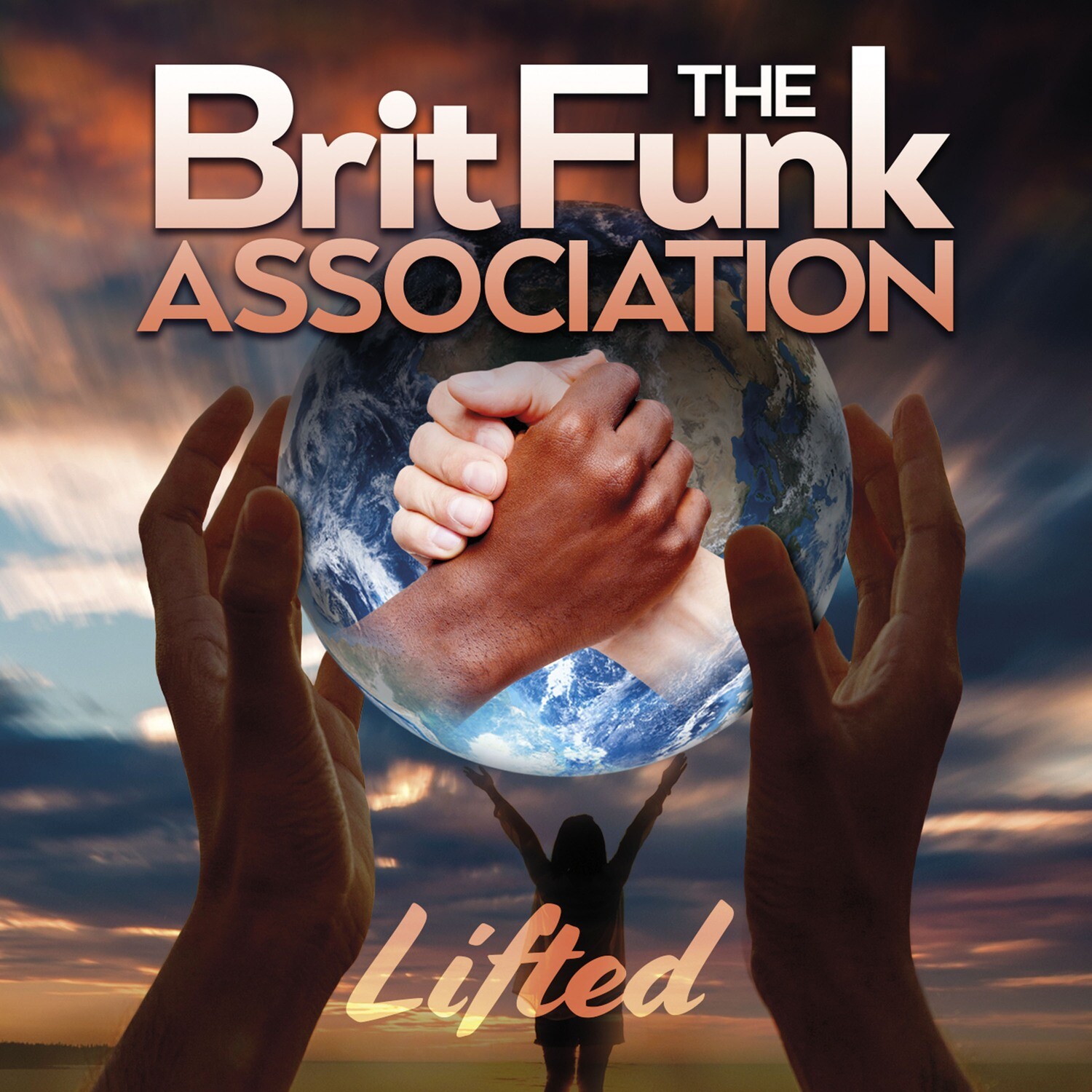
This history is not a footnote to Expansion's own story. It is directly represented in the catalogue. The label's "Lifted" album by The Brit Funk Association brings together founder and original members of Hi-Tension, Light of the World, Beggar & Co and Incognito, artists whose earlier work sits at the very centre of the story above. Thirteen original tracks carry forward the jazz-funk sensibility of that first Britfunk generation, performed by the musicians who helped build it in the first place, decades on.

That continuity matters. Genres like Britfunk and street soul are too often filed away as historical curiosities, worth a mention in a documentary and little else. But the musicians who created them are still recording, still touring, and still shaping the sound of British soul today. For Expansion, a label built on precisely this kind of long memory, that is not incidental. It is the point.

For listeners coming to this story for the first time, the lesson is a simple one. British soul was never just an echo of Memphis, Philadelphia or Detroit. It was, and remains, its own tradition, built by musicians who took what they loved about American soul and funk and turned it into something unmistakably, and proudly, their own.

Hear that lineage for yourself. Lifted, the second album from The Brit Funk Association, is available now from Expansion Records, thirteen tracks of jazz-funk played by the musicians who helped build the genre in the first place.

by Diane

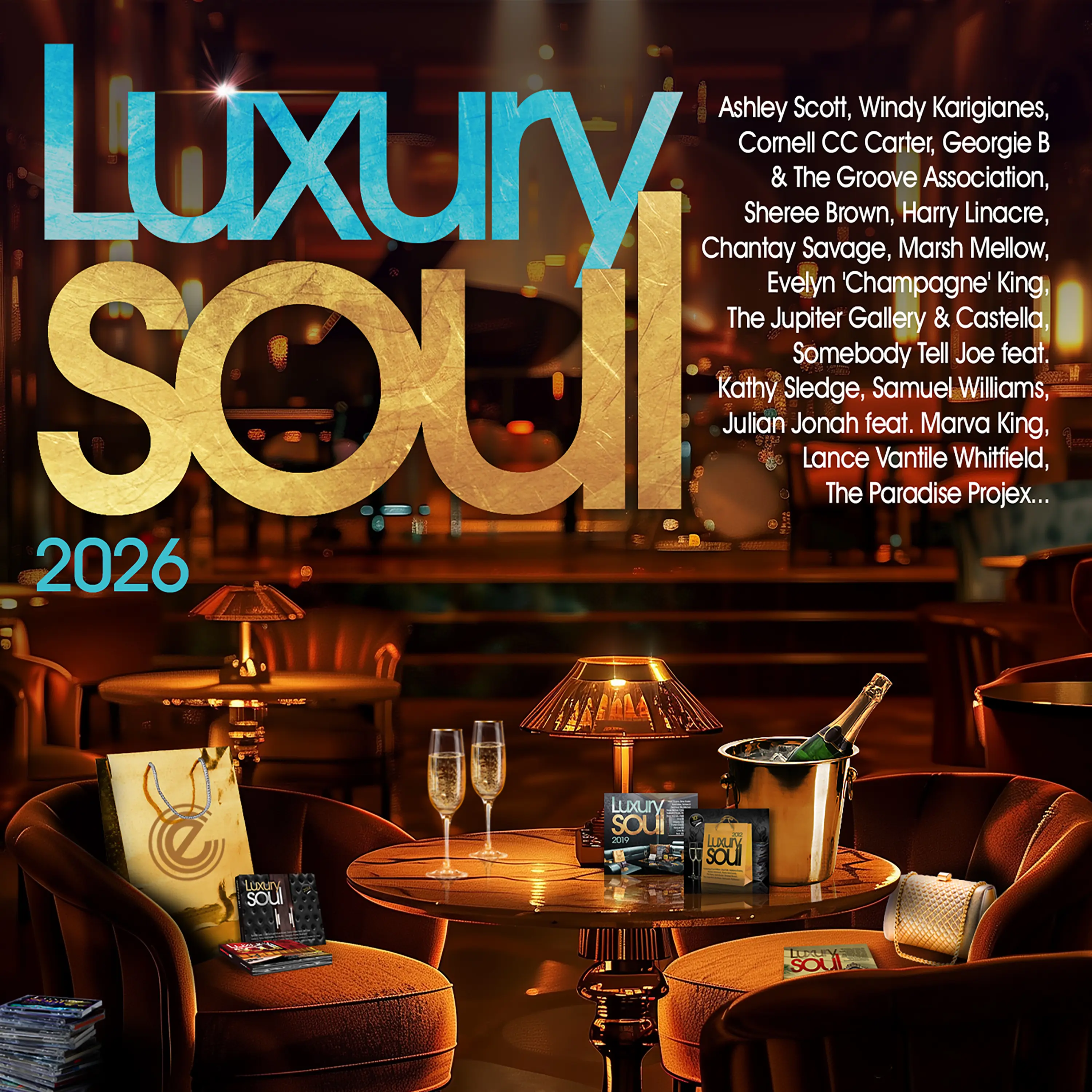
Luxury Soul 2026: The Ultimate Guide to Expansion Records’ 40th Anniversary Triple Album


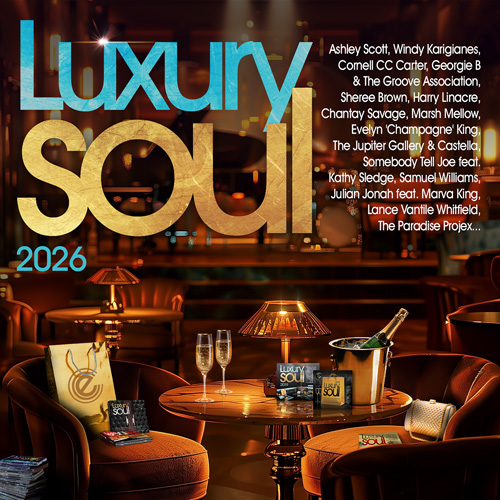
Luxury Soul 2026 Cover

Luxury Soul 2026: A Landmark Year for Soul Music

Every January, as the festive decorations come down and the winter chill settles in, a specific corner of the music world starts to heat up. For connoisseurs of sophisticated R&B and independent soul, the start of the year belongs to one label: Expansion Records.

On January 16, 2026, the tradition continues with the release of Luxury Soul 2026. This isn’t just another compilation; it is a sprawling, 35-track triple-disc odyssey that serves as the definitive state-of-the-union address for the global soul scene.

In a world where music often feels disposable, Luxury Soul 2026 stands as a monument to craft, melody, and the enduring power of the groove. Here is why this year’s installment is perhaps the most significant in the series' history.

A Landmark Year: 40 Years of Expansion Records

To understand the weight of this release, one must understand the legacy of Expansion Records. Founded in 1986, the label is celebrating its 40th anniversary in 2026. For four decades, under the stewardship of soul aficionados like Ralph Tee, Expansion has acted as the bridge between the golden era of soul and the digital age.

The Luxury Soul series has always been the label's crown jewel. It thrives on a simple but difficult premise: curate the highest quality independent soul music that might otherwise be missed. This includes tracks from unsigned artists, limited-edition vinyl releases, and exclusive remixes that make their CD debut here. In 2026, this mission feels more vital than ever, as the series also coincides with the 30th anniversary of the legendary Luxury Soul Weekender in Blackpool.

The Track List: Icons Meet the New Guard

What makes the 2026 edition so compelling is its balance. The tracklist reads like a "who’s who" of soul royalty, alongside the stars of tomorrow.

The Legends

Leading the charge is the incomparable Evelyn 'Champagne' King. Her track "A Whole Lotta Yum Yum," featured here in an exclusive Georgie B Remix, is a masterclass in modern boogie. It’s a full-circle moment for Expansion, who first worked with King back in 1995. Joining her is Kathy Sledge (of Sister Sledge), lending her iconic vocals to "This Is A Feeling" by Philadelphia’s Somebody Tell Joe.

Other heritage artists making an impact include Chantay Savage with the hauntingly beautiful "Still," and Steve Nichol (formerly of the legendary UK group Loose Ends), who brings sophisticated production to "Senorita." The inclusion of these names isn't just nostalgia; it’s a testament to their continued relevance and the quality of their contemporary output.

The Rising Stars

Expansion has always had an ear for the "next big thing," and 2026 is no exception. Ashley Scott, the Philadelphia-based artist and nephew of Helen Scott (The Three Degrees), is a standout. His track "Always" opens Disc 1 with a smooth, polished energy that signals his status as one of the brightest lights in modern soul.

UK talent is also well-represented by rising star Harry Linacre, whose track "Ring The Bell" proves that the British soul scene is in very capable hands. From the jazz-infused "Newborn & Good Things" by Shade & The Jazz Destroyers to the contemporary "You" by Ryan La Valette featuring Elle Cato, the album showcases the incredible breadth of the genre.

The Triple Disc Experience: A Deep Dive

Spanned across three discs, the album is paced like a perfectly curated DJ set.

  • Disc 1: focuses on the "now"—fresh, upbeat, and undeniably soulful. Highlights include Cornell C.C. Carter’s "Lift It Up," a high-energy anthem that has already become a staple for soul purists, and the Georgie B Remix of Windy Karigianes’ "Falling For You."
  • Disc 2: leans into the smoother, more atmospheric side of R&B. This is where you’ll find the Evelyn 'Champagne' King exclusive and the Emmy-winning Sheree Brown with "Just A Simple Man." It’s music for the late-night drive or the quiet Sunday morning.
  • Disc 3: is a treasure trove for collectors, featuring "Luxury Soul" staples and unique remixes. The Paradise Projex rework of "Southern Freeze" (featuring Judy La Rose) is an instant classic, while the 2026 version of Kloud 9’s "Here With Me" breathes new life into a fan-favorite melody.

More Than Just Music: The Soul Community

The release of Luxury Soul 2026 is the starting gun for the 30th Luxury Soul Weekender (January 9–11, 2026). For many fans, the album is the soundtrack to their pilgrimage to Blackpool’s Grand Hotel.

This sense of community is what sets the "Luxury Soul" brand apart. It’s not just about consuming a product; it’s about belonging to a culture. Whether you are a crate-digger who has been collecting 7-inch singles since the 70s or a newcomer discovering the warmth of a real bassline for the first time, this album welcomes you with open arms.

Why It Matters in 2026

In an era of AI-generated hooks and 15-second TikTok snippets, Luxury Soul 2026 is an act of rebellion. It champions the "grown folks' music"—songs with bridges, live instrumentation, and vocals that come from the heart rather than a plugin.

The production credits across the 35 tracks are a roll call of excellence, featuring contributions from veterans like Georgie B, Regi Myrix, and The Paradise Projex. The sound is "luxury" not because it’s expensive, but because it is rich in texture and intentional in its delivery.

Final Thoughts

If you’re looking to refresh your playlist for the new year, there is no better investment than this triple pack. It’s rare to find a compilation where every track feels essential, but Expansion Records has a 40-year track record of doing exactly that.

Luxury Soul 2026 is more than a compilation; it’s a celebration of resilience. It celebrates the artists who keep creating against the odds, the label that keeps championing them, and the fans who keep listening.

Soul music isn't just about the past; it’s a living, breathing, evolving force. And as long as the Luxury Soul series continues, the future of the groove is in very safe hands.

Luxury Soul 2026 is released on January 16, 2026. Pre-order your copy now via Expansion Records and prepare to elevate your soul.

by Diane

40 Years of Expansion Records: The Soul of the Future


In 1986, Expansion Records dropped its first needle on the UK soul scene. Forty years later, the label stands as one of the most respected independent forces in modern soul, jazz-funk and R&B. What began as a passion project has become a cornerstone of quality music that bridges generations and continents.

This is not a nostalgia trip. This is a celebration of legacy, evolution and the future of real soul music.

Four Decades of Authentic Soul

From the beginning, Expansion set itself apart by focusing on substance over hype. While other labels chased trends, Expansion stayed loyal to timeless artistry. Over the years it has introduced audiences to artists whose voices and grooves endure, proving that true soul never ages.

The label’s catalogue reads like a history of contemporary soul: from Keni Burke and Maysa to Cool Million and countless others who have defined the sound of smooth, sophisticated R&B. Its long-running compilations such as Soul Togetherness and Luxury Soul have become annual markers for what’s hot, heartfelt and essential in the scene.

Collectors and newcomers alike trust Expansion to deliver that unmistakable balance of warmth and class. That consistency is what has made the label’s name synonymous with excellence for four decades.

40 Years Forward

As Expansion celebrates its 40th year throughout 2026, the message is clear: the best is yet to come.

The label continues to champion new and established artists from across the soul spectrum, releasing fresh projects and reissuing timeless favourites with care and integrity. Expect new collaborations, global talent, remastered editions and exclusive vinyl pressings that honour the past while looking ahead.

This anniversary isn’t just about reflecting on what’s been achieved. It’s about reaffirming Expansion’s role in shaping what comes next for independent soul music.

The Sound and the Style: Official 40th Anniversary Merchandise

To mark this milestone, Expansion has teamed up with Graphic Image Designs to release an exclusive line of 40th Anniversary merchandise. Each piece celebrates the label’s identity with a sleek, understated look that reflects its musical spirit.

You can shop the full collection via graphicimagedesigns.com, or explore individual items below.

Zipped Unisex Hoodie


BUY NOW

A soft, premium cotton-blend zip-up featuring the official 40th Anniversary logo. Perfect for gigs, studio sessions or relaxed weekends. It’s unisex, versatile and built for comfort.

___________________

Expansion Tee


BUY NOW

A wardrobe staple that does the talking for you. Clean design, comfortable fit and unmistakably Expansion. Wear your soul pride wherever you go.

_______________________

Mug


BUY NOW

Start your morning with a touch of soul. The 40th Anniversary mug adds a hit of Expansion heritage to every brew, making it a perfect gift for fans and friends.

__________________________


¼ Zipped Sweatshirt

BUY NOW
Smart, easy to wear and perfect for layering. The quarter-zip sweatshirt carries a subtle Expansion emblem, ideal for those who want to rep their soul credentials in style.

Buying official Expansion merchandise isn’t just about style, it’s a way to invest back into the community that has kept the label thriving since 1986.


The Heart of the Scene

Expansion has never been a label detached from its listeners. It has always been powered by a dedicated community of DJs, collectors and fans who live and breathe the music. That relationship between label and listener is what keeps the culture alive.

The 40th Anniversary year will bring new releases, exclusive interviews, limited-edition vinyl and plenty of opportunities for fans to get involved. Keep an eye on expansionrecords.com and the label’s social channels for announcements throughout 2026.

From its earliest releases to its latest digital drops, Expansion has proven that independent soul can thrive in any era. It has outlasted trends, embraced change and stayed true to its mission: to deliver honest, high-quality music that connects people across generations.

A Toast to the Next 40

As Expansion Records steps confidently into its fifth decade, it carries with it the same principles that started it all: respect for artistry, love of craft and a belief that soul music still matters.

To every fan who has bought a record, streamed a song, worn a T-shirt or shared a track with a friend, this celebration is yours too.

So here’s to 40 years of Expansion Records. To the music, the artists and the loyal listeners who made it all possible.

Put the kettle on, pour it into your Expansion mug, pull on your hoodie and turn the volume up. The sound of the future is still soul, and the label that defines it is still Expansion.

by Diane

Christmas of Emotions – The Ultimate Soulful Holiday Soundtrack


If you’re a lover of real soul music – the kind that stirs the heart and wraps around you like a warm winter coat – Christmas of Emotions is the album you need this festive season. It’s a masterful compilation that gathers some of the most distinctive and emotive voices from the past three decades, each delivering one unforgettable track. From the smooth elegance of Luther Vandross to the honeyed tones of El DeBarge, this collection captures everything that makes soul music timeless and perfect for Christmas.

What sets this release apart is its balance between familiarity and discovery. The title track is a brand-new recording, never previously released, giving even the most dedicated collectors something fresh to savour. It anchors the album with a contemporary sound that still honours the golden era of soul – rich, heartfelt, and effortlessly sophisticated.

The remaining selections are sourced from rare, deleted, or little-known releases, showcasing Expansion’s unmatched ear for quality. This is a label renowned for treating soul music with respect and care, curating tracks not just for name recognition but for their enduring emotional pull. The result is an album that feels both exclusive and inclusive – a treat for dedicated fans and a revelation for new listeners who might only know the mainstream hits.

Producers featured across the album read like a roll call of excellence: Jam & Lewis, George Duke, Rex Rideout, Luther Vandross himself, and The Avila Brothers. Their collective influence ensures the production never misses a beat, whether it’s a lush orchestral arrangement or a stripped-back groove that lets the vocals shine. Every note is meticulously crafted, with warmth and clarity that give the music a genuine, lived-in feel.

The line-up is a dream for soul enthusiasts. Ledisi’s power and control, Patti LaBelle’s unmistakable grandeur, Will Downing’s velvet smoothness, and the classic touch of The Isley Brothers each bring something special to the table. Add to that the emotive delivery of Frank McComb and Rosie Gaines, alongside Rahsaan Patterson’s dynamic energy, and you’ve got a compilation that celebrates not just Christmas, but the very essence of soul.

This is not just another festive collection thrown together for seasonal sales. Christmas of Emotions carries a sense of purpose and passion. Each track has been chosen for its ability to evoke feeling – joy, nostalgia, tenderness, and hope. It’s a reflection of how soul music, at its best, can transform a simple holiday playlist into a deeply moving experience.

Play it once, and you’ll realise this isn’t background music for the season – it’s the soundtrack to it. Perfect for a quiet evening by the fire or the grand family gathering, it brings warmth to every setting. Expansion Records has once again proved that when it comes to curating the finest in soul, their instincts are unmatched.

For anyone who values authenticity and emotion over gimmicks and glitter, Christmas of Emotions is the only festive album that truly delivers on its promise - heart, soul, and spirit, all wrapped up in one beautifully produced package.


BUY NOW
by Diane

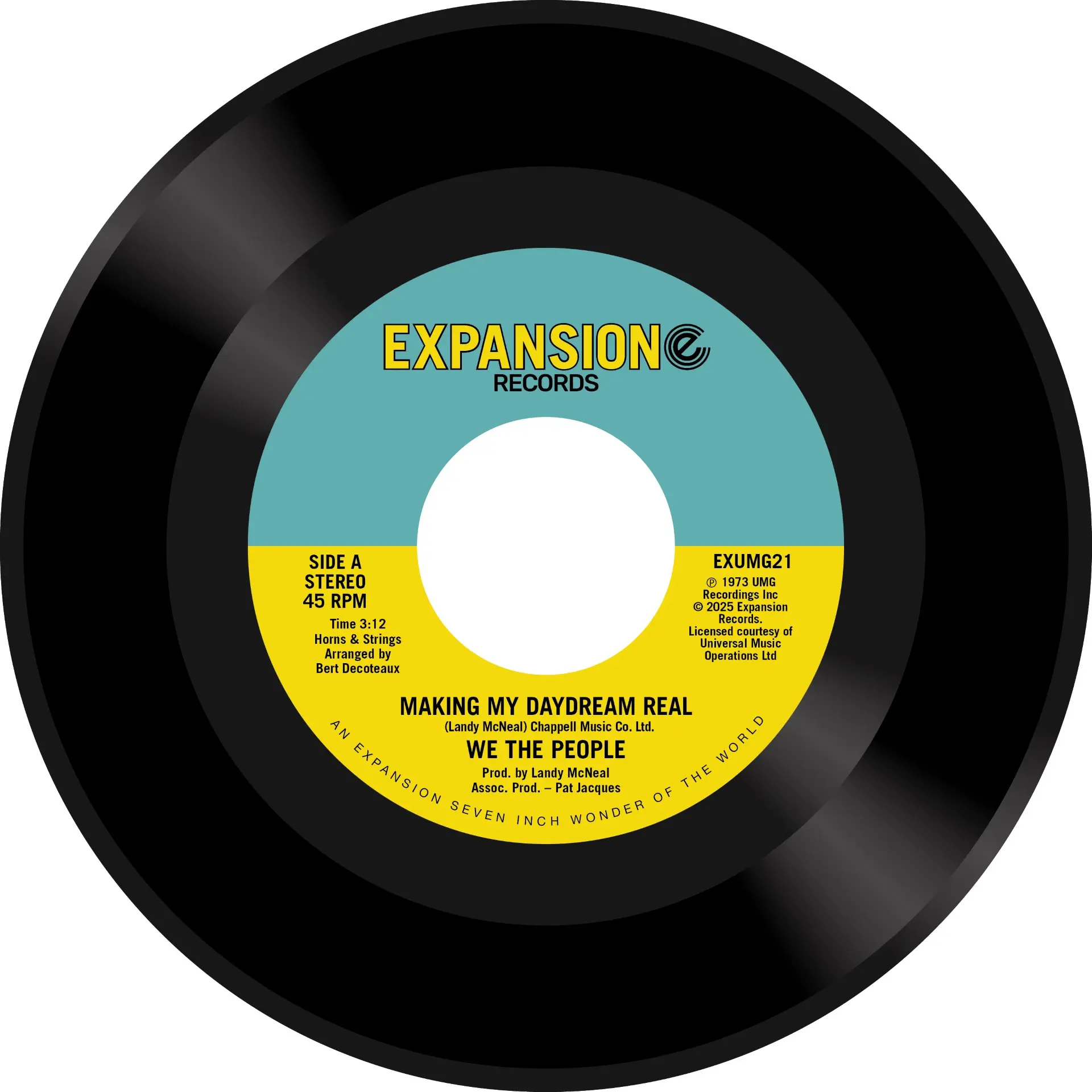
We The People’s “Making My Daydream Real / Watcha Done For Me, I’m Gonna Do For You” — why this 7" reissue matters


There are countless bands called We The People. This isn’t the Florida garage-rock outfit; this is the early-’70s soul vocal group who cut a handful of beautifully arranged singles between the tail-end of the ’60s and mid-’70s. Their crown jewel is “Making My Daydream Real,” originally issued on Lion (an MGM-manufactured imprint) in 1973, now freshly reissued in the UK by Expansion Records on a 7" with its killer flip, “Watcha Done For Me, I’m Gonna Do For You.” 

The 2025 reissue: what you’re getting

Expansion has brought “Daydream” back as a properly pressed 45, paired with the original B-side. Retailers list catalogue number EXUMG21, with copies landing from late October into early November 2025. Some shops even carried both the regular dinked centre and a limited full-centre DJ copy, a nice nod to working selectors who prefer cue-stable centres. Pricing has been in the £13–£16 bracket at UK/European outlets. In other words, you no longer need to gamble on a tired US styrene original.

A record built by insiders

“Making My Daydream Real” is the brainchild of writer/producer Landy McNeal, with Bert DeCoteaux on arrangement, the same DeCoteaux whose elegant strings graced records by The Main Ingredient, Marlena Shaw and Roy Ayers. This is important context: DeCoteaux’s charts always carried a humid, orchestral lift without tipping into syrup, and you hear that immediately in the string voicings and the disciplined horn stabs through “Daydream.” Credits on contemporary listings and archival databases align on McNeal (writer/producer) and DeCoteaux (arranger), with Pat Jaques co-producing. 

How it actually sounds

Musically, “Daydream” is modern soul before the term became branding: mid-tempo stepper’s pace, a pocket that glides, strings that rise in restrained arcs, and group harmonies that keep it gentlemanly rather than showy. It’s a “bridge-the-room” tune, smooth enough for a sweet set, punchy enough to change gears at peak time, which explains why it’s been a quiet favourite for modern soul DJs for years. The flip, “Watcha Done For Me, I’m Gonna Do For You,” trims the sentimentality and leans a shade tougher, with a shorter runtime that makes it perfect for tight, high-energy segues. You can see why contemporary soul shops have been flagging it as a “modern soul dancer” on arrival. (expansionrecords)

The original life of the single

Back in the day, this 45 didn’t smash the charts, but it made a dent where it counted: US R&B radio. Digging through soul discographies and scene research, the single is cited as the group’s only charting side, bubbling up to a modest R&B placing in 1974 despite a 1973 label date, a not-uncommon lag for independent soul. It’s exactly the sort of record that ages better than its first-week numbers: under-exposed, musically sophisticated, and prime for rediscovery once the rare groove/modern soul continuum sharpened its ears. 

Who were We The People, anyway?

This We The People was a soulful vocal quartet active roughly 1969–1976, recording across a small cluster of labels: Map City (late ’60s/early ’70s), Verve (a one-off in ’71), and Lion/MGM in ’72–’73. Early singles like “If We Can Fly To The Moon (Ain’t Nothin We Can’t Do)” and “We Can Survive (We The People)” show the group’s roots in harmony-heavy, message-tinged soul, more street-corner grit than ballroom gloss, before the Lion era dialled up the orchestration. That arc makes perfect sense for the period; post-Philadelphia soul, arrangers like DeCoteaux were giving harmony groups a widescreen finish.

Crucially, several sources connect the Lion single’s manufacturing to MGM and place the session squarely within Los Angeles’s ecosystem. That explains some of the record’s sheen: L.A. studios, A-list string players, and arrangers who knew how to make radio float. 

Landy McNeal’s fingerprints

Landy McNeal isn’t a household name, but he’s one of those behind-the-boards figures you’ll stumble over if you follow ’70s soul rabbit holes: writer, producer, A&R hustler, occasionally tied to projects that later became DJ catnip. The credits for “Daydream” and its flip sit squarely with him, and contemporaneous write-ups highlight his role in defining the single’s sound. If you’re crate-digging, McNeal’s name pops up elsewhere in mid-’70s soul/disco; a reliable breadcrumb for tasteful arrangements and radio-ready dynamics. 

Why the reissue hits now

Reissues live or die on timing. Right now, dancefloors are rewarding mid-tempo sophistication again, steppers, two-steppers, crossover soul with real strings and adult emotions. “Daydream” is basically a masterclass in that lane. Expansion’s reissue strategy in late 2025 has leaned into precisely this pocket, which is why you’ve seen the single charting on specialist store “best-sellers this week” pages and popping up in crates of broadcasters like Craig Charles and boutique labels’ in-house playlists. It’s the sort of record that DJs can programme in multiple contexts: warm-up finesse, peak-time relief, or that last half-hour where you want to send people home feeling unruffled. 

Pressing/collectability notes

If you’re picky about sources: the original US 45 was on Lion 164, typically styrene (common for US plants of the era) and consequently prone to cue burn if abused. The UK 2025 reissue gives you a fresh, vinyl-pressed copy with clean, loud cuts of both sides. Shops have listed it with sensible price points and real-world stock (no artificial scarcity drama). If you’re a completist, there are also 1973 US promos that surface from time to time, but unless you’re archiving label copy, this new UK 7" is the play. 

So… is it worth it?

Yes. If you live in the modern soul/crossover world, “Making My Daydream Real” is one of those “how did this never blow up?” records, a three-minute glide that makes your system sound expensive and your set feel effortless. The B-side isn’t mere ballast either; “Watcha Done For Me…” is a tidy, punchy counterpoint, and together they make the kind of two-sider you can build a room around. The reissue finally removes the two barriers that used to hold people back - scarcity and styrene fatigue - while keeping the original arrangement intact.

If you’ve been rinsing Main Ingredient deep cuts, Ace Spectrum, early Lonnie Liston Smith vocal sides, or you just want one 45 that can move a mixed crowd without shouting, this is it. Grab two: one for the bag, one for the home turntable. And if anyone asks where you found it, tell them you finally stopped daydreaming and made it real.

BUY NOW

by Diane

The State of UK Music: Vinyl’s Resurgence, Streaming’s Plateau, and the Fight for Physical Media


create an image of a white man, aged 29 who is crate digging in a vinyl record store alongside another image of a black woman as a 70's radio DJ with turntables.

A Market in Transition

The UK music industry is in a fascinating place right now. In 2024, recorded-music revenues rose nearly 5% to reach £1.49 billion, despite inflation, rising costs, and shifting consumer behaviour. Streaming still dominates, but its growth is slowing. Physical formats are more volatile than ever, with vinyl thriving while CDs slide towards irrelevance.

For artists, fans, and labels, these shifts are reshaping how music is released, marketed, and consumed. And for independent pioneers such as Expansion Records, the UK’s leading soul label, 2025/26 will be a milestone moment: their 40th anniversary, right in the middle of this industry transformation.

Vinyl: The Revival That Won’t Quit

Vinyl continues to be the hero of physical media. In 2024, UK listeners bought around 6.7 million LPs, generating close to £200 million, up more than 10% year-on-year. Collectors, casual fans, and superfans alike are driving demand, often through limited runs, coloured pressings, and deluxe packaging.

Big name artists like Taylor Swift, Billie Eilish, and Sabrina Carpenter dominate headlines, but vinyl’s appeal goes much deeper. Indie and niche genres are flourishing in this space too. Labels like Expansion Records, which has championed soul, funk, and jazz since 1986, are perfectly positioned. Their catalogue translates beautifully onto vinyl, appealing to collectors who value timeless music in premium physical form.

With Expansion Records celebrating 40 years in 2026, expect exclusive reissues, limited editions, and anniversary vinyl to become highly sought-after among UK collectors and soul fans worldwide.

The Collapse of the CD

While vinyl is thriving, CDs are facing a starkly different reality. In mid-2025, UK CD sales dropped by more than 20% year-on-year. Without blockbuster releases to prop them up, the format is quickly losing relevance.

Unlike vinyl, CDs don’t offer nostalgia or cultural cachet. They lack the tactile appeal of records and the convenience of streaming. For collectors, they’re simply not desirable. Labels that once relied on CDs as the mainstay of their physical sales are shifting focus towards vinyl or digital.

Expansion Records is a good example of this pivot. Their emphasis on vinyl reissues and high-quality pressings of classic and modern soul has helped them stay relevant while others have seen physical sales collapse. Now while no longer the core business, and more to support the long standing audience of collectors and supporters Expansion maintains, they still do release CDs. The mastering will always be superior to streams, and the credits, liner notes, and photos they contain have value and this is appreciated.

Streaming Dominance and Slowdown

Streaming remains the backbone of UK music consumption, making up about 68% of all revenue in 2024. But its growth is plateauing, with year-on-year increases now closer to 5% than the 8–9% we once saw.

Market saturation is the main culprit. Most listeners who want a subscription already have one. Future revenue growth will come from price rises, bundling with other digital services, or better monetisation of catalogue music. But this also raises questions: will fans stick around when prices increase? And how much of that money will reach the artists and labels?

For independent labels like Expansion, streaming is both a blessing and a challenge. It ensures their artists reach global audiences instantly, but revenue share remains an ongoing battle.

Collectors, Superfans, and Indie Shops

The vinyl revival is fuelled by collectors and superfans, who treat records as cultural artefacts. Limited editions, anniversary reissues, and Record Store Day exclusives are driving sales.

Independent record shops have been central to this resurgence. They’re not just retail outlets, they’re community hubs and curators. Labels such as Expansion Records have long relied on indie shops to connect directly with dedicated fans of soul, funk, and R&B. As vinyl continues its upward curve, these relationships will only grow in importance.

Challenges Ahead

The industry still faces serious challenges:

• Volatility of physical sales: Vinyl growth depends on major releases and collector interest. Without big events, numbers dip.

• Production costs: Pressing vinyl is expensive, with rising material and distribution costs squeezing margins.

• Sustainability concerns: The production of multiple vinyl variants raises environmental questions. Fans and artists are calling for greener alternatives.

For labels celebrating milestones, such as Expansion’s 40th anniversary, these challenges may also present opportunities. By innovating in packaging, sustainability, and fan engagement, they can set themselves apart while still honouring their legacy.

Opportunities for Independent Labels

The current market offers plenty of opportunities for independent labels to thrive. Vinyl has given physical media a cultural rebirth, and streaming provides global reach. For Expansion Records, whose roster includes both classic reissues and fresh soul releases, the next year will be pivotal.

Their 40th anniversary isn’t just a milestone — it’s a chance to spotlight four decades of curating the best in soul, funk, and jazz. Expect collectors to clamour for exclusive vinyl editions, box sets, and anniversary events that tap into both nostalgia and forward-thinking curation.

Conclusion: Looking to 2026 and Beyond

The UK music industry remains strong, but its future is unevenly spread. Vinyl has carved out a lasting role, streaming is showing signs of maturity, and CDs are fading fast. For independent labels like Expansion Records, this is both a challenge and an opportunity.

As they prepare to celebrate 40 years at the forefront of UK soul in 2026, Expansion exemplifies how to survive, and thrive, in a changing industry. By leaning into vinyl, embracing collector culture, and using streaming strategically, they show that independence and longevity can coexist in today’s marketplace.

For fans, this means more than just access to music. It’s about connecting with heritage, collecting pieces of history, and celebrating labels that have shaped the soundtrack of our lives.


by Diane

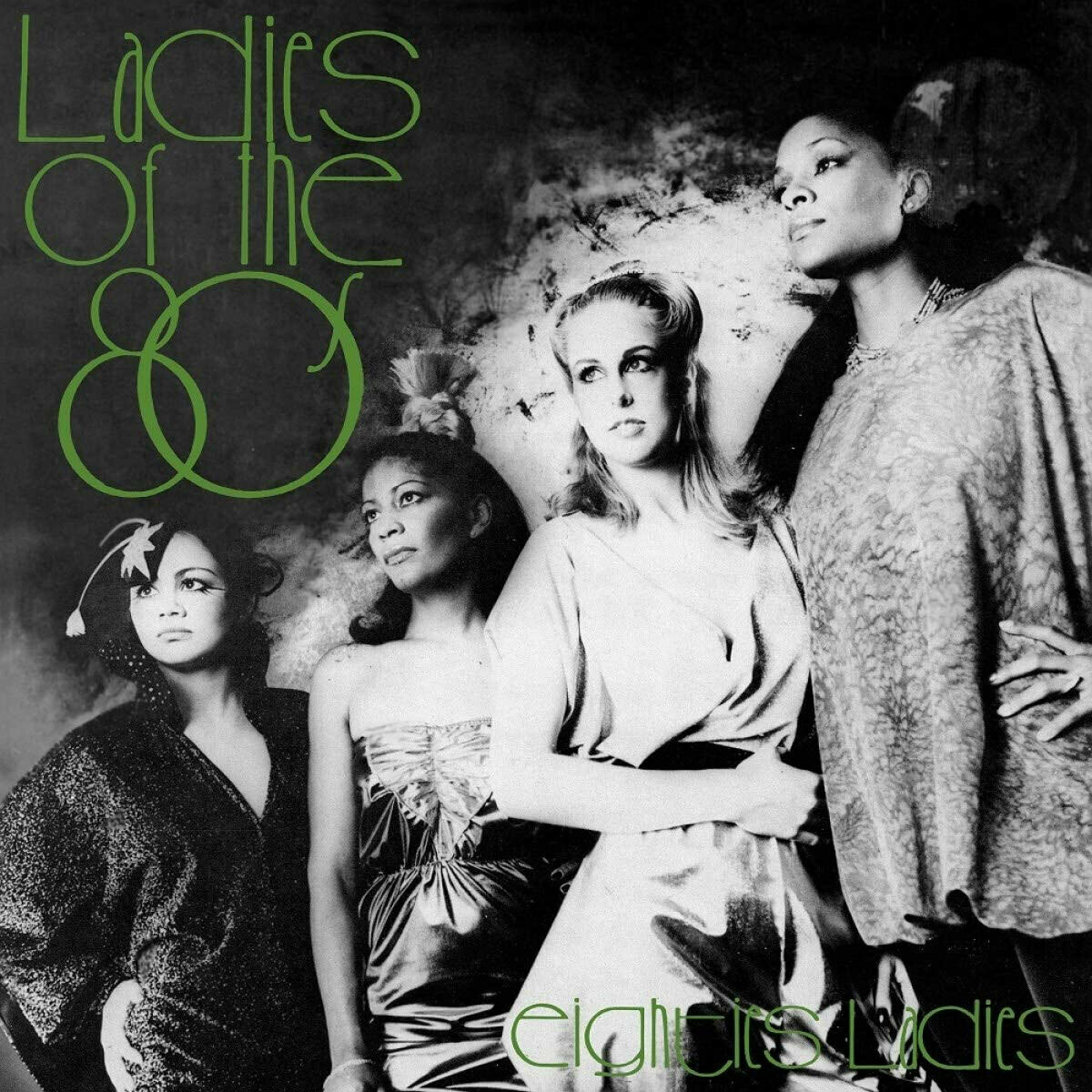
Eighties Ladies: The Context of Expansion Records and the Reissue Culture.


Expansion Records, based in the UK, has long been a vital conduit between glossy modern soul lovers and the often under-heralded gems of past decades. Their mission, as stated on their site, is to offer “the level of quality soul largely abandoned by US labels.” (expansionrecords)

That’s a strong claim, and it sets the stage: we’re dealing not just with nostalgia, but with reclamation. Labels like Expansion are doing archival work: restoring, reissuing, recontextualising music that may have been under-distributed, forgotten, or just overshadowed. Eighties Ladies is one such artifact, representative of its era but also telling in how its parts have been fragmented (solo careers, minor disco/modern soul hits) until brought together here.

The Artists: Who Are the Eighties Ladies?

The group “Eighties Ladies” is a vocal ensemble. The line-up comprises:

  • Denie Corbett
  • Marva Hicks
  • Susan Beaubian
  • Sylvia Striplin
  • Vivian Prince (expansionrecords)

Each of these women had solo or side projects that brush up against disco, boogie, modern soul, and beyond:

  • Denie Corbett had solo disco output (for example What You Won’t Do For Love) and collaboration in disco-flavoured ensembles.
  • Marva Hicks is perhaps better known in some circles for her later modern soul work; her debut solo single Looking Over My Shoulder (1978) is mentioned, and then the modern soul marker One Good Reason from her 1991 debut album. (expansionrecords)
  • Vivian Prince recorded a boogie track Gotta Get A Hold On You in 1982.
  • Sylvia Striplin is already recognised among aficionados for her solo work (Give Me Your Love) and its resonance in jazz/soul/boogie collectorship. (expansionrecords)
  • Susan Beaubian is less immediately visible in major solo hits (at least per the information on the Expansion page), but as part of this ensemble she contributes to a collective sound representative of late ’70s/early ’80s vocal group sophistication.

What makes this interesting is how their solo identities are variously strong but also incomplete in reaching a broader audience; the ensemble, and this reissue, provides a better lens to see their collective power, shared aesthetics, and cross-pollinated genres: disco, boogie, soulful grooves, balladry.

The Music: Eighties Ladies (Ladies Of The Eighties) LP

Let’s talk track-by-track, style, arrangement, production, and why the LP matters.

Tracks & Sequencing

Side One

  1. Ladies Of The Eighties
  2. Tell Him
  3. He Is Mine Forever
  4. Ladies Of The Eighties (Instrumental)

Side Two

  1. I Knew That Love
  2. It’s Easy To Move
  3. Sing Me
  4. Turned On To You (expansionrecords)

That’s eight tracks, fairly evenly split between more up-tempo/arranged works and smoother, slower numbers. The instrumental version of the title track suggests that the original producers valued the arrangement, the instrumental twine, as much as the vocals – likely for DJs, for fans who like the orchestration, or perhaps for alternate usage (remixes, radio plays etc.).

Style & Production

From what is known about the group, the instrumentation and production likely draw from that junction between late disco and early modern soul / boogie. The term “boogie” is relevant because Vivian Prince is noted for that. The arrangements likely feature:

  • Lush strings or string synths (common in post-disco vocal tracks)
  • Strong rhythm sections (bass/guitars) with emphasis on groove over overdubbed sheen
  • Background vocal interplay: harmonies, layering, call-and-response, which is key in ensemble vocal groups of that era
  • Slower ballad tempos counterposed with more danceable tracks, creates tension, contrast, and flow in LP sequencing.

The presence of It’s Easy To Move and Turned On To You suggest movement toward mid-tempo groove and perhaps funk or boogie-leaning. I Knew That Love and He Is Mine Forever probably allow for more vocal showmanship, emotional delivery, romantic soul tropes.

Signature Tracks

  • Turned On To You is highlighted in the summary as one of their best‒known tracks. (expansionrecords)
  • Ladies Of The Eighties as both a title track and an instrumental suggests it might be the centrepiece of the album.

These tracks likely serve two purposes: for dancers/fans, they embody groove and allure; for collectors, they are rare or lesser-heard works now being made more accessible.

The Release: Reissue Details & Implications

Format & Pricing

  • It’s has been reissued as LP (vinyl), a format with both symbolic and sonic importance. Vinyl often implies a richer listening experience, care for mastering, and targeting collectors. Price is £15.99 in the UK. (expansionrecords)
  • This LP is clearly aimed at the vinyl collector market. (expansionrecords)

Rarity & Rediscovery

Given that these artists had pieces out, but perhaps not widespread reissues or mainstream recognition, this LP offers rediscovery. It reminds listeners (and the industry) that much good work from women in vocal ensembles in that transitional period (late ’70s → early ’80s, disco → boogie → modern soul) was under-archived. For many, pieces like this existed in scratchy vinyl, private collections, or only in regional DJ sets.

Expansion’s reissue places these works in a curated context, giving them second life, better production (hopefully remastered), and visibility.

The Cultural Moment

We’re in a moment where collectors, DJs, younger listeners are hungry for authenticity: original vocal groups, soulful female voices, pre-digital instrumentation. Retro soul and boogie are hot again. Platforms like Bandcamp, vinyl fairs, crate digging, reissue labels all show the demand is there.

So Ladies Of The Eighties now is not just a nostalgic throwback but part of a wider cultural reclaiming: for women’s musical histories, for black vocal ensemble tradition, for the nuanced transitions from disco through post-disco to modern soul. It bridges eras.

Critical Reflections

I’m going to be unsparing in some observations: reissues are not inherently noble; their value depends on execution.

  • Remastering & Robust Packaging: This reissue preserves fidelity, removes noise where possible without sterilising, and includes liner notes that give context. How well Expansion has done this in Ladies Of The Eighties will matter. But sometimes the sheer fact of reissue is enough for many listeners.

  • Historical Accuracy vs. Romanticism: There is often a tendency to romanticise past eras, gloss over problematic production or dated tropes (lyrics, gender-norms, themes). This reissue lets the music speak in its terms but also does not ignore its moment.

The Significance Going Forward

What this release signals:

  1. The Rise of Rediscovery as Canon-Building
    Works that were once marginal (or at least peripheral) are now being re-evaluated and inserted into broader narratives of soul, disco, boogie, and modern R&B. The old canon (e.g. Motown, Philly soul, classic ’60s/’70s funk) is being expanded to include these vocal‐ensemble, disco-leaning works of the transitional early ’80s.

  2. Women’s Voices & Ensemble Culture
    The spotlight on multiple women in the same group (with somewhat established solo credentials) is meaningful. It’s not just solo divas, it's ensembles combining voices. That ensemble tradition (call and response, harmony, group dynamic) has often been under-celebrated compared to solo performers. This boosts appreciation for group cohesion, arrangement, and vocal interplay.

  3. The Vinyl Collectors & Vinyl Resurgence
    As LP racks fill up again, reissues become a bridge: older albums get new life. Not only for the initiated crate-diggers but for newer soul fans who missed these releases the first time around. This provides both emotional satisfaction and also economic incentive for labels to dig deeper, restore more obscure works.

Final Thoughts

Ladies Of The Eighties by Eighties Ladies might at first glance appear to be “just another reissue,” but it’s richer than that. It sits at crossroads: female ensemble vocal work; disco → boogie → modern soul transitions; recognition of artists who had talent but not always access or visibility; and the contemporary hunger for rediscovery and authenticity.

If Expansion Records has done this well (and on their track record, they often do), this reissue serves not just as a collector’s piece but as a piece of soul-history: a gentle reclamation of voices, styles and songs that deserve to be heard. It's also a tribute to the late songwriter, musician and producer Roy Ayers who assembled and worked with the group

Buy Now