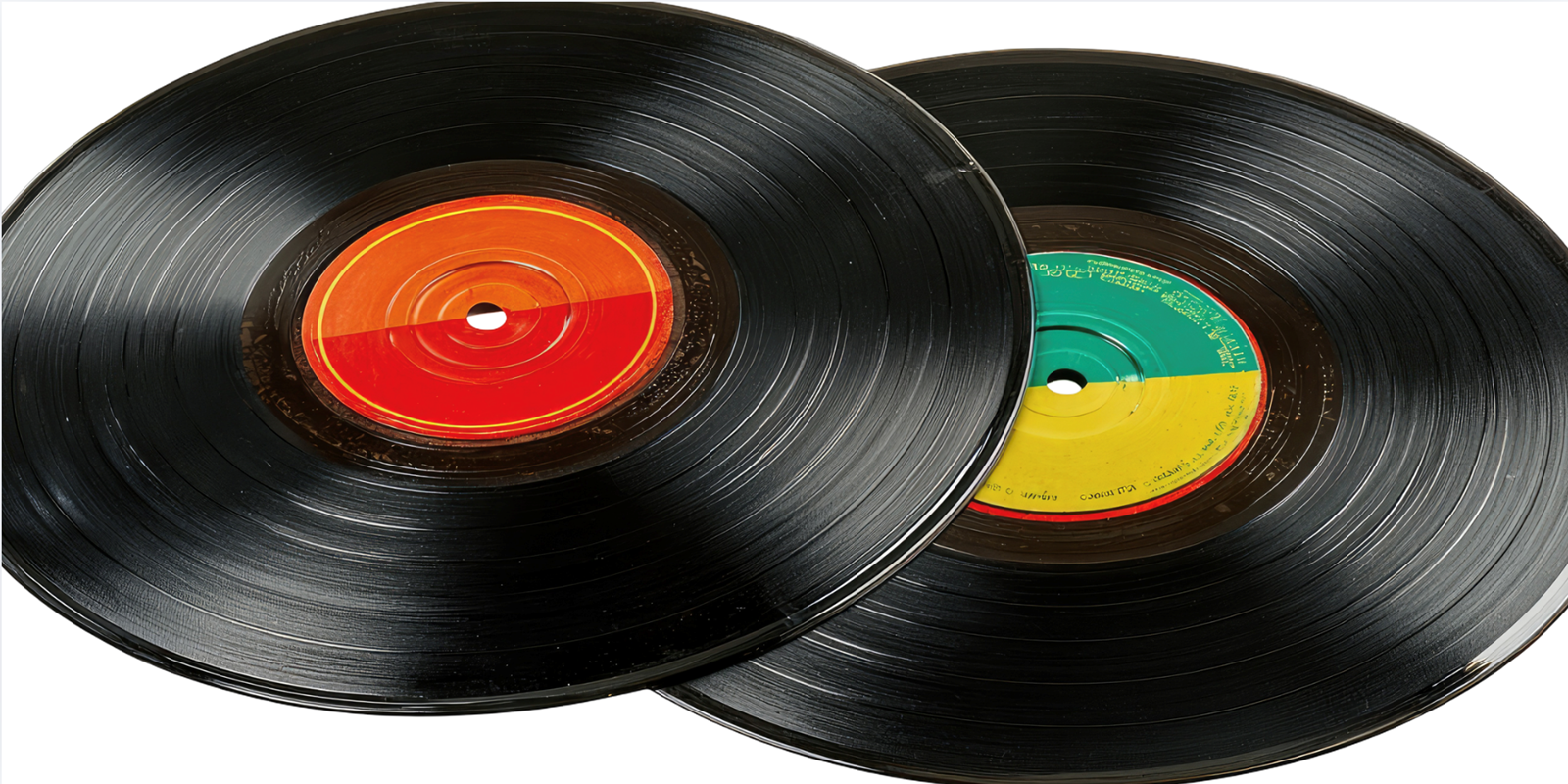
If you had told a music executive in 2006 that vinyl records would be the primary driver of physical music revenue twenty years later, they would have laughed you out of the studio. Yet, here we are in 2026, and the "vinyl revival" has officially graduated from a retro trend to a foundational pillar of the UK economy.
The Numbers: A Record-Breaking Year
According to the latest data from the BPI, the UK vinyl market has entered its 19th consecutive year of growth. In 2025 alone, revenue climbed to a staggering £174.7 million. To put that in perspective, vinyl now accounts for roughly 63% of all physical music sales in Britain.
While streaming still dominates our daily commutes, the "ritual" of the record has captured a new generation.
It’s Not Just Your Parent’s Collection Anymore
While Pink Floyd and Fleetwood Mac remain perennial bestsellers, the current surge is fueled by modern icons. Taylor Swift’s The Life of a Showgirl was the undisputed heavyweight champion of 2025, moving over 147,000 units. We are also seeing a massive surge in homegrown talent like Olivia Dean and Lola Young, proving that the format is a vital platform for new artists, not just a graveyard for "Greatest Hits" compilations.
The Health of the Market: Robust but Expensive
Is the market healthy? Economically, yes. It is growing faster than almost any other physical entertainment sector. However, fans are feeling the "pinch at the press." The average price of a new LP has climbed to £27.50, with deluxe editions often exceeding £40.
For the true collector, vinyl isn't just music; it's a piece of "functional art." As long as fans value the tactile experience of a gatefold sleeve and a spinning platter, the UK’s love affair with the wax is here to stay.
Deep Dive: The "Black Gold" Connection
How a Conflict with Iran Could Silence the Press
While the UK market is booming, the physical production of vinyl records is uniquely vulnerable to geopolitical instability, particularly a war involving Iran and the wider Middle East. Here is an examination of why a "hot war" in the Gulf could lead to a global vinyl shortage.
- The PVC Problem (Petroleum is the Ingredient)
A vinyl record is made of Polyvinyl Chloride (PVC). PVC is a petroleum-based plastic. Roughly 57% of its weight comes from chlorine, but the rest is derived from ethylene, which is a byproduct of oil and natural gas refining.
- The Iranian Choke Point: Iran sits on the Strait of Hormuz, a narrow waterway through which 20% of the world's total oil consumption passes.
- The Impact: Any conflict that closes this strait or damages regional refineries (like those in Saudi Arabia or the UAE) causes oil and naphtha prices to skyrocket. In March 2026, following regional tensions, naphtha prices surged by 74% in just two weeks. When the raw cost of "virgin vinyl" (the pellets used in pressing plants) goes up, the price of the final record in London or Manchester follows instantly.
- The Logistics Nightmare
The vinyl industry relies on a "Just-in-Time" supply chain. Most of the world's PVC is produced in massive chemical hubs in the US, Europe, and Asia. However, the energy required to run these plants - and the ships required to move the heavy pellets - depends on stable global fuel prices.
- Shipping Reroutes: Conflicts in the Middle East often force ships to bypass the Suez Canal and go around the Cape of Good Hope. This adds 10 - 15 days to transit times and adds "War Risk" surcharges that can add thousands of pounds to every container of records or raw materials.
- "The Variant Crisis" vs. Material Scarcity
In a war-driven economy, industrial PVC is prioritised for essential goods: medical tubing, housing insulation, and food packaging.
- Lower Priority: Record pressing is a "luxury" use of PVC. During past supply shocks (like the 2021-22 shortage), major labels hoovered up the remaining supply, leaving independent artists and small labels with 12-month wait times. A war with Iran would likely trigger a "Pressing Freeze," where only the biggest superstars (the Taylor Swifts and Oasis reunions) could get their records made, effectively starving the indie scene.
- The Recycling Pivot
One potential "silver lining" of a Middle East conflict would be an accelerated shift toward Eco-Vinyl. If new petroleum-based PVC becomes too expensive or unavailable, the industry will be forced to move toward:
- Bio-Vinyl: Made from used cooking oils or industrial waste.
- RPVC (Recycled PVC): Pressing records from high-quality plastic scrap.
Conclusion: A Fragile Renaissance
The UK vinyl market is currently in its "Golden Era" of revenue, but it is built on a foundation of "Black Gold" (oil). A conflict involving Iran wouldn't just make records more expensive; it could fundamentally break the supply chain that allows 7.6 million LPs to reach British shelves. For the vinyl lover, the best time to buy that "must-have" album might be now, before the geopolitics of the Middle East catch up with the music.